The Bar Queue Is Part of the Show: Giving NOW Fest Live a Proper Sense of Place
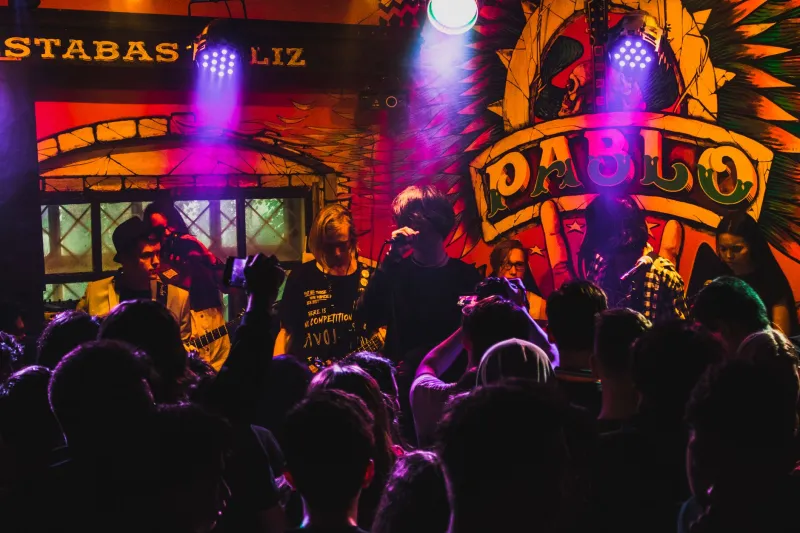
There’s a moment in every live show when the band leaves the stage and the room takes over. Someone nipped to the bar comes back with two pints and a bag of crisps. A stranger holds a spot while their mate checks the cloakroom queue. The house lights stay low, the PA plays something unexpected, and the crowd settles into that loose, chatty limbo before the next set. It’s not the main event, but it is the night out.
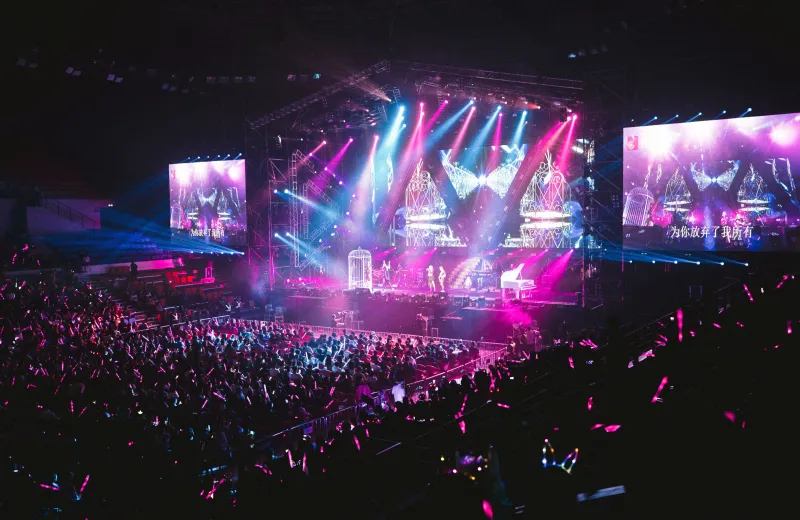
On a NOW Fest Live stream, that moment often disappears. The performance ends, the feed cuts to a slate, and we’re left with a countdown and a logo until the next act. It’s clean, it’s efficient, and it makes a venue full of people feel oddly empty. The case here is simple: between sets, point a camera at the room.
The gap where the night should be
A stage-only broadcast is brilliant at capturing the performance. It is less brilliant at capturing the place. And for UK music fans, place is a huge part of the appeal. We don’t just talk about seeing a band; we talk about where we saw them. The sticky floor. The listed ceiling. The pub next door that somehow gets busier than the venue. The bus stop outside where everyone stands afterwards, unwilling to admit the night is over.
When NOW Fest Live cuts straight from one set to the next, it loses that texture. The stream can start to feel like a series of performances beamed from nowhere in particular. A short venue vignette — 20 or 30 seconds, no voiceover, just the room — would do more than fill time. It would tell viewers where they are.
What a venue vignette actually looks like
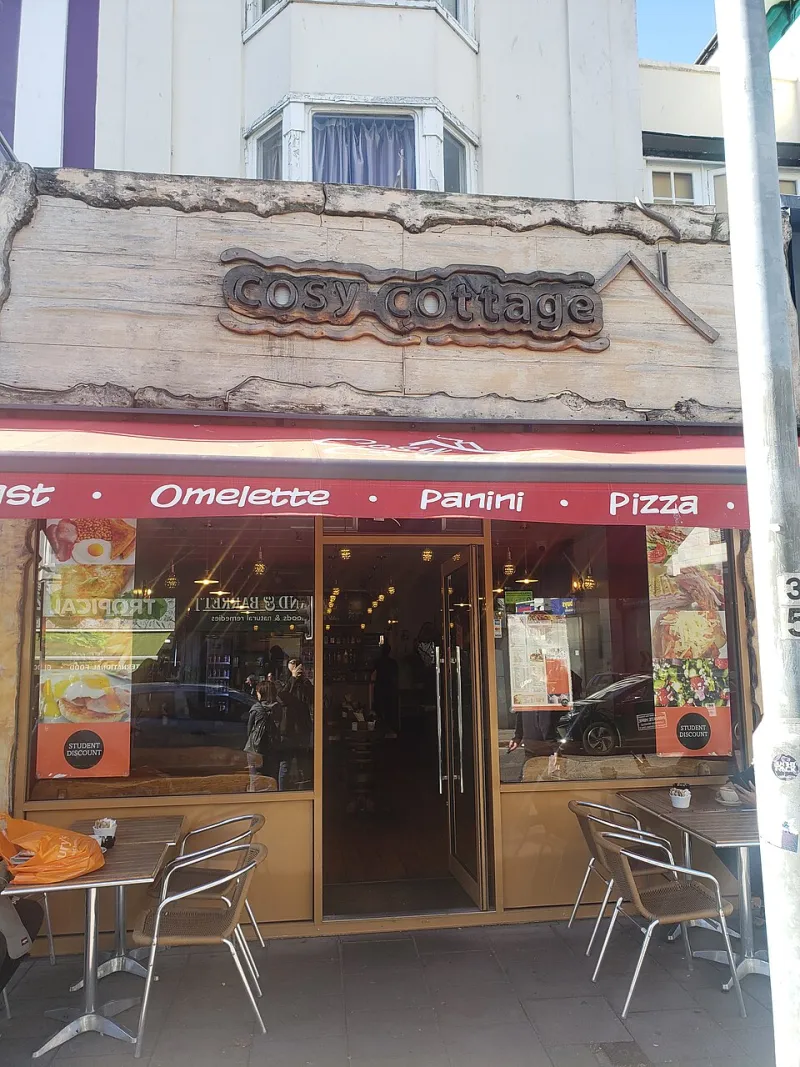
This isn’t a call for a full outside broadcast or a mini documentary between every act. It’s a small, disciplined cutaway. The camera drifts along the bar queue. It catches the merch table being restocked. It shows the crowd sitting on the floor, checking phones, pulling jackets off. Maybe it steps outside for a breath of air: a queue at the door, a local landmark, the chippy opposite, the canal path, the venue’s own sign lit up against the dark.
Keep the ambient sound low but present. No presenter, no forced banter. A simple caption — venue name, town, maybe the time — would do the job. The goal is not to turn the stream into a travelogue. It’s to remind viewers that a gig is a physical thing, happening in a real building, in a real place, with real people holding the same plastic pint glasses they’d be holding if they were there.
Why UK viewers will feel it
There’s a particular pleasure in recognising a room you’ve stood in. It might be the slope of a Bristol basement, the pillars in a Leeds venue, the cobbles outside a Halifax space, or the unmistakable smell of a seaside town’s ballroom. Even if you haven’t been to that exact venue, you know the type. The cutaway says: this is a night out in the UK, not a generic content feed.
It also helps the stream do something the stage camera can’t: show the audience. Not in a "look at these lucky people" way, but in a "this is what it feels like to be in the room" way. The crowd settling in is part of the build-up. The bar queue is part of the build-up. The person scrolling the set times on their phone is part of the build-up. Those small human details make the next performance land harder.
The practical guardrails
None of this needs to be invasive. Venues already have signage and camera notices; NOW Fest Live would need clear consent and a firm rule against lingering close-ups. No filming anyone who’s clearly asked not to be filmed. No audio from private conversations. No shots that make the bar staff feel like exhibits. The vignettes should be wide, warm and brief — the visual equivalent of a glance around the room, not a stare.
There’s also a scheduling point. This shouldn’t become a mandatory segment between every single act. One cutaway per changeover is plenty, and only when there’s something worth showing. If the room is half-empty and nothing’s happening, don’t force it. The whole appeal is that it feels incidental, not produced to death.
Accessibility matters too. Captions can name the venue and town. If the feed is carrying audio description, a line about the room helps. And for viewers watching on a second screen, a short venue vignette is far more engaging than another animated countdown.
A small change with a big payoff
NOW Fest Live doesn’t need a second programme or a bigger production budget to make this work. It needs a camera that remembers there’s a building around the stage, and a director willing to let the room breathe for half a minute. The stage is where the music happens. The room is where the night happens. Show us both, and the stream stops feeling like a broadcast from nowhere and starts feeling like a proper night out — just with better access to the bar.